

By City Press Office (General enquiries), Published
Jensen Huang’s swift return as boss of Nvidia surprised – and pleased – many people. Donald Trump was happy about it, as were many who invest in the future of AI.
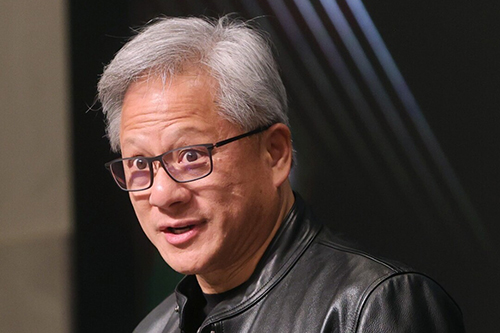
There are plenty of high-profile business leaders who have returned to a company after stepping down, with good results. Michael Dell did it at Dell computers, Steve Jobs did it at Apple and Sam Altman did it at OpenAI.
But there are also many cases where a returning CEO has actually harmed the performance of the firm. So will Jensen Huang prove to be a successful or a harmful “boomerang boss”?
As its co-founder and CEO, Huang was behind Nvidia’s extraordinary success. But the company also had one crucial weakness – its dependency on Huang.
The idea of “key person risk” is the vulnerability from depending heavily on one person whose absence could severely disrupt how a business works. This aspect of Nvidia was dramatically exposed when it was revealed in late October that Huang had had an extra-marital affair with an executive with alleged links to Chinese government secret services.
After another affair with an employee came to light a few days later, swiftly followed by claims about another, Huang stepped down. This led to a massive drop in the firm’s share price, which triggered wider falls in technology-focused markets around the world. Huang’s affairs had become a matter of global economic stability but also geopolitical importance, amid debates about how his departure might affect America’s narrow lead over China in the AI race.
The financial markets clearly approve of the Nvidia board’s announcement that Huang will step back into his role as CEO. The share price has shot back up, helping to lift many companies in the sector. But research on boomerang CEOs paints a more nuanced picture.
Often these bosses are invited to return on the basis that they had been successful in the past so are likely to be successful in the future. However, one study of over 6,000 CEOs found that boomerang bosses tend to perform significantly worse than others.
The main reason was that they often revert back to their old strategic playbook when the rest of the world has moved on. This means they are using outdated ideas.
Yet the dataset for this study included many founders who returned years after they had left. Huang was only out of the Nvidia saddle for 11 days, so his strategic playbook is likely to be as up to date as ever. A more recent working paper looking at boomerang CEOs who had only been away for a short time found that the firms in question showed improved operating performance, investment and growth.
However, other research suggests boomerang CEOs tend to receive slighly higher performance evaluations than other new hires mainly because they have a better understanding of the hidden social structure of the organisation and how to navigate it. Another study found that they tended to perform on average about the same as other managers, but were also more likely to leave.
Back for good?
Beyond the world of business there are cases of boomerang leaders in politics and sport. In politics, returning leaders – including Winston Churchill, Silvio Berlusconi and Donald Trump – are a persistent but relatively minor feature of many political systems.
In the world of sport there are a of cases of coaches being fired and then returning to Premier League football teams. One piece of analysis found that of 11 Premier League coaches who returned, only three saw their results improve.
Perhaps this all suggests that Huang’s return to Nvidia may not be a cause for immediate performance concerns. His strategic knowledge and networks are still very valuable.
What is likely to be a longer term worry is issues of reputation and governance at the world’s most important chip-maker. Addressing these is likely to require revisiting the structure and oversight practices of the company – which the new old boss may or may not feel like doing.
This article is republished from The Conversation under a Creative Commons license. Read the original article.
Other stories you might like
-

Bayes academics contribute to civic blueprint for the Square Mile
The Corporation of London commissioned UK and global experts to a potential bright future for the City of London in a fast-changing world. Bayes academics stepped up.
-

Federal system minimised electoral reward for BJP’s welfare reforms, study finds
New research in West Bengal around the BJP's welfare reforms highlights challenges facing national governments in federal system.
-

New research explains why silicon beat thin film in the race for solar panel supremacy
New Bayes Business School research shows ecosystems, not technology is what creates commercial success.