
Dr Oksamytna’s prize-winning book explores change in international organisations.
By Eve Lacroix (Senior Communications Officer), Published (Updated )
Dr Kseniya Oksamytna, Senior Lecturer in International Politics at City, University of London received the prestigious Chadwick F Alger prize for her book Advocacy and Change in International Organizations: Communication, Protection, and Reconstruction in UN Peacekeeping (Oxford University Press, 2023).
The prize is awarded by the International Organisation section of the International Studies Association (ISA).
She is the first ever UK-based scholar to have received this prize.

During the Cold War, United Nations (UN) peacekeepers monitored ceasefires and separation lines, helping parties to the conflict uphold their commitments. Now, Blue Helmets have 41 distinct tasks, ranging from organising elections to child protection.
Some believe that Blue Helmets have been overburdened, calling peacekeeping mandates “Christmas Trees” which each actors seeks to adorn with their own goals.
How did their responsibilities expand so much?
Dr Oksamytna's book traces the evolution of three agendas in UN peacekeeping: public information and strategic communications, protection of civilians, and quick impact projects. She argues that advocacy is behind organisational change and the expanding remit of UN Blue Helmets.
Advocacy in international organisations
Advocates can choose between three strategies: persuasion, social pressure, and deployment of authority. Certain favourable conditions (related to characteristics of advocates, targets, issues, and context) make them more effective in pushing for organisational change.
In a blog post for “Multilateralism is Action” by the School of International and Public Affairs at Columbia University, Dr Oksamytna argues:
Modern peacekeeping
Today, the role of UN peacekeeping remains vital.
There are 11 missions currently being deployed across Africa, the Middle East, Europe and Asia.
Discussing the importance of her book today, she said:
Related schools, departments and centres
Other stories you might like
-

Ukraine: Russian attitudes to Ukrainians can help to explain the atrocities
Dr Kseniya Oksamytna, Lecturer at City, University of London, on how Russia’s portrayal of Ukrainians as ‘naïve’ or ‘simple’ might explain some of the atrocities we have seen so far during the War.
-
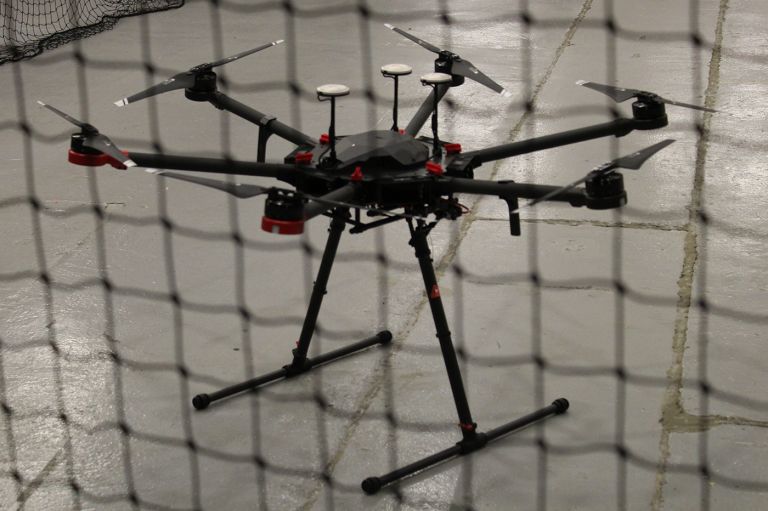
City’s Professor Nabil Aouf leads on the NATO Science for Peace and Security Programme’s SAPIENCE drone (AI based) competition project
Academics, Researchers and Postgraduate science and technology students from four countries on the €1.2m project will develop pioneering solutions for disaster relief using multi-agent drone systems.
-

Inside the Oslo accords: a new podcast series marks 30 years since Israel-Palestine secret peace negotiations
Professor Amnon Aran and Dr James Rodgers introduce their new podcast mini-series for The Conversation, in which they reflect on 30 years since the Oslo Accords.
-
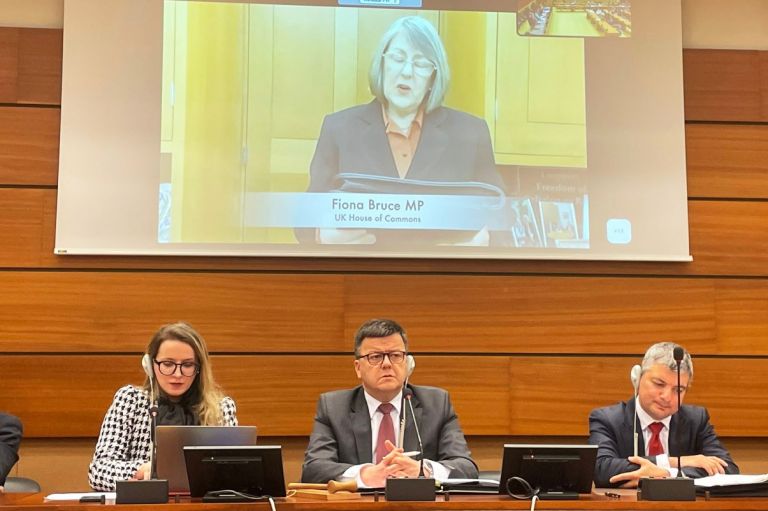
The United Nations Human Rights Council and Justice for the Daesh Atrocities Against the Yazidis
Reader in International Law, Dr Aldo Zammit Borda, attends the Geneva meeting, Justice for the Daesh Atrocities: The Need for Comprehensive Responses.


