
The researchers:
Research status:Completed
In summary
Sudden cardiac death is the leading medical cause of death among elite athletes.
In response to this urgent issue, a pioneering research team at City St George’s, University of London, led by Professor Sanjay Sharma, has played a critical role in developing international guidelines for screening heart conditions in athletes.
Their work has had global impact - dramatically improving the detection of life-threatening conditions and safeguarding athletes' health.
What did we explore and how?
Beginning in 2010, the research team focused on evaluating the electrical activity of athletes' hearts, distinguishing between patterns that are benign and those that indicate risk.
With funding from Cardiac Risk in the Young and the British Heart Foundation, the group analysed a wide range of electrocardiogram (ECG) readings to determine which patterns could predict serious cardiac disease.
Key breakthroughs included:
- Identifying ECG patterns that are safe and common in athletes.
- Clarifying which patterns signal high risk for cardiac events.
- Recognising certain misleading readings as false positives.
These discoveries were used to revise international recommendations for interpreting ECG results in athletes, particularly improving accuracy across different ethnicities.
The detection rate of serious heart conditions improved from 40% to 84% in black athletes, and from 74% to 94% in white athletes.
Benefits and influence of this research
The influence of this research has been far-reaching. Major international sporting bodies, including the International Olympic Committee and FIFA, now support cardiac screening based on the guidelines developed by Professor Sharma’s team.
In 2017, the team proposed further refinements to the European Society of Cardiology guidelines, integrating factors such as age and ethnicity to further reduce misdiagnoses.
These updated recommendations are now in use across UK institutions including the Football Association, the Lawn Tennis Association, and the English Institute of Sport, as well as numerous international bodies.
The benefits extend beyond elite sport. Cardiac Risk in the Young now uses the same guidelines to screen non-elite athletes in the UK, aged 14 to 35, helping prevent sudden cardiac events in young people.
What's happening
-
Event
Nov 04
Postgraduate Open Evening (Clerkenwell Campus)
Join us at our Postgraduate Open Evening to learn more about our postgraduate courses and discover all the benefits of studying at City St George's, University of London.
, 17:00 – 19:00
Location: Clerkenwell campus
Audience: Prospective students
-
News
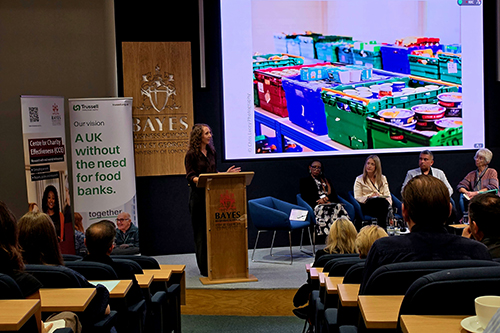
Building a food bank free future
Event to mark launch of A Taste for Change explores what it would take to end the need for food banks in the UK.
-
News

Operation Soteria driving cultural change in police investigations into rape, but progress stalls as cases reach court
The 'End-to-end' report finds police investigations more victim-centred but the justice system hasn't caught up.
