
Hosts
Prof Raj Roy (City St George's, University of London)

Professor Rajkumar Roy is the Executive Dean of the School of Science and Technology at City St George's, University of London. He is leading the research in self-engineering with over 25 years of engineering design and manufacturing research experience. He is also leading this national initiative on “developing socially responsible STEM professionals” and has actively supported inclusion of ethics in the undergraduate curriculum and research. Previously PI the EPSRC Centre for Innovative Manufacturing in Through-life Engineering Services (TES) (EP/I033246/1). He was also PI and then CoI of EPSRC Platform Grant on Through- life Performance and EPSRC GCRF project. He has a track record of projects from EPSRC, EU, IUK and HEFCE and was also the PI on topics including design optimisation, concept design, whole life cost modelling and design for service. He is the Founding Editor in Chief of the Applied Soft Computing journal from Elsevier (2001-2016), with 11th ranking out of 112 journals in interdisciplinary application of computer science. He has published over 100 journal papers. He is also a Fellow of the CIRP, IET, IED, ACostE and a Principal Fellow of HEA.
Prof Sir Anthony Finkelstein (City St George's, University of London)

Anthony Finkelstein is the President of City St George's, University of London and Professor of Software Systems Engineering. He is a Chartered Engineer and Fellow of the IET, BCS, and the Royal Academy of Engineering. Until taking up the role of President he was Chief Scientific Adviser for National Security to HM Government. Whilst undertaking this role he retained a position as a Fellow of The Alan Turing Institute, the UK national institute for AI and data science, of which he was a founding trustee. He was Dean of UCL Faculty of Engineering Sciences, and before that Head of UCL Department of Computer Science. He started his career at Imperial College. He has established three successful ‘spin-out’ companies (including two ‘exits’). He is a Fellow of the Royal Academy of Engineering and a Distinguished Fellow of RUSI.
Keynote speakers
Miss Olivia Sutcliffe (Savills UK Ltd)

Olivia an Associate in Savills Earth Social Value team, is dedicated to enhancing the impact of real estate projects. With experience in designing social value strategies and driving culture change in organisations such as Greater London Authority. Olivia brings expertise in social value measurement. She founded Young Professionals in Social Value (YSPSV), a networking group recognised for its cross-sector mentoring scheme. Olivia's commitment earned her the highly commended in the Social Value Champion Award at National Social Value Awards 2023.
Mr Robert West (Confederation of British Industry)

Robert West is the Head of Education and Skills at the CBI where he plays a lead role as part of the Future of Work Directorate in influencing policy. Rob joined CBI in 2022 from the Sector Skills Council for the creative industries – Creative & Cultural Skills where he was Partnerships Director. He also led the National Skills Academy Creative & Cultural and developed this network over several years bringing together business, education, and other stakeholders to identify and produce solutions to common employer engagement and skills issues. Previously Rob’s career has included being CEO at Essex based Education Business Partnership, Link-Ed, and has worked with several Universities including Brunel, University of London, Oxford University and the University of Nottingham.
Dr Natasha McCarthy (The Royal Academy of Engineering)
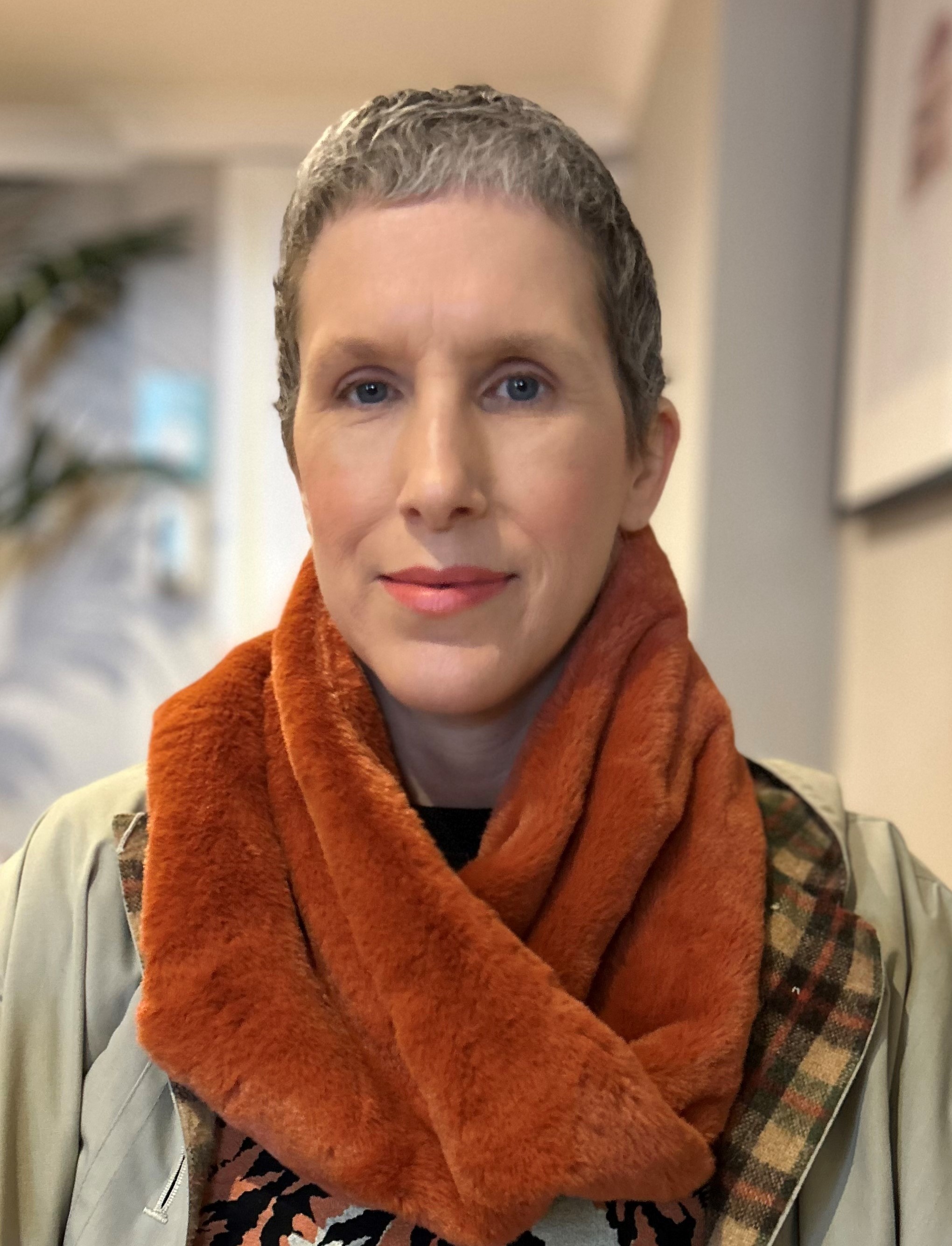
Natasha McCarthy is Associate Director for Policy at the Royal Academy of Engineering. Natasha leads the National Engineering Policy Centre, which applies engineering expertise from across the UK’s professional engineering organisations to policy challenges of national and global importance. Prior to this, she was Head of Policy at the Royal Society, where she led the policy programme on data and digital technology. She was previously Head of Policy at the British Academy; a founding faculty member and now an Honorary Professor of Practice in UCL’s Department of Science, Technology, Engineering and Public Policy; and began her policy career at the Royal Academy of Engineering. Her background is in philosophy of science, and she taught at the University of St Andrews. She authored Engineering: A Beginner’s Guide, a tour of the social, cultural and historical impact of engineering and has published several papers spanning engineering, technology, policy, ethics and philosophy.
Prof Shabnam Beheshti (City St George's, University of London)
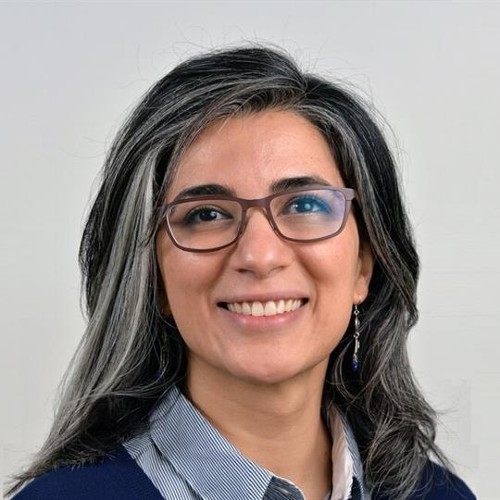
Professor Shabnam Beheshti is currently the Head of the Department of Mathematics. Her research area is the Geometric Analysis and Nonlinear Partial Differential Equations (PDEs) in Mathematical Physics. She has worked on projects ranging from integrability of harmonic maps in General Relativity to combinatorial structure in PDEs of Fluid Dynamics. More recently, Professor Beheshti has been interested in Einstein's Equations coupled to viscous fluids and elastic matter models to better understand the geometric features of accretion in relativistic hydrodynamics.
Ms Zillah Watson (Phase Space Ltd)

Zillah is co-founder of Phase Space Ltd, using VR to transform youth mental health support in schools and universities; reaching young people when they first need support, rather than waiting until they are in crisis. Phase Space's early research partnership with City St George's has driven cutting edge research into using VR for mental health support. Zillah led the BBC’s VR Studio, which created a slate of award winning content and pioneered audience adoption strategies on app stores and through location based experiences at festivals, museums and libraries. She authored a report on VR business strategy for news and broadcasters for the Reuters Institute for Journalism, at Oxford University, in 2017. She’s an honorary professor of VR at University College London, and visiting lecturer at Goldsmiths and the London Interdisciplinary School.
Session chairs
Prof Dirk Lanzerath (DRZE, Germany)

Dirk Lanzerath is Professor of Philosophy at the University of Bonn and Director of the German Reference Centre for Ethics in the Life Sciences, a Research and Documentation Centre of the University of Bonn and the North-Rhine-Westphalian Academy of Science and the Arts. He is Philosopher and Biologist and serves as Secretary General of the European Network of Research Ethics Committees (EUREC); he is Visiting Professor of Ethics in the Study Abroad Programme at Loyola Marymount University, Los Angeles and Honorary Professor at the University of Applied Sciences Bonn Rhein-Sieg. He is a member of several ethics boards and committees: Vice-President of the Central Ethics Committee of the German Medical Association, Chair of the Research Ethics Committee of the Johannes-Rau-Research-Association, Member of the Research Ethics Committee of the North Rhine Medical Association, Member of the Ethics Committee of Maastricht University, Vice-Chair of the Commission on the Ethics of Security-Relevant Research (University of Bonn). He is member of Editorial Boards of several scientific Journals: Research Ethics Review, Zeitschrift für medizinische Ethik, and others. He has been awarded the Order of Gratitude by the Sovereign Military Hospitaller Order of Malta.
Dr Sionade Robinson (City St George's, University of London)
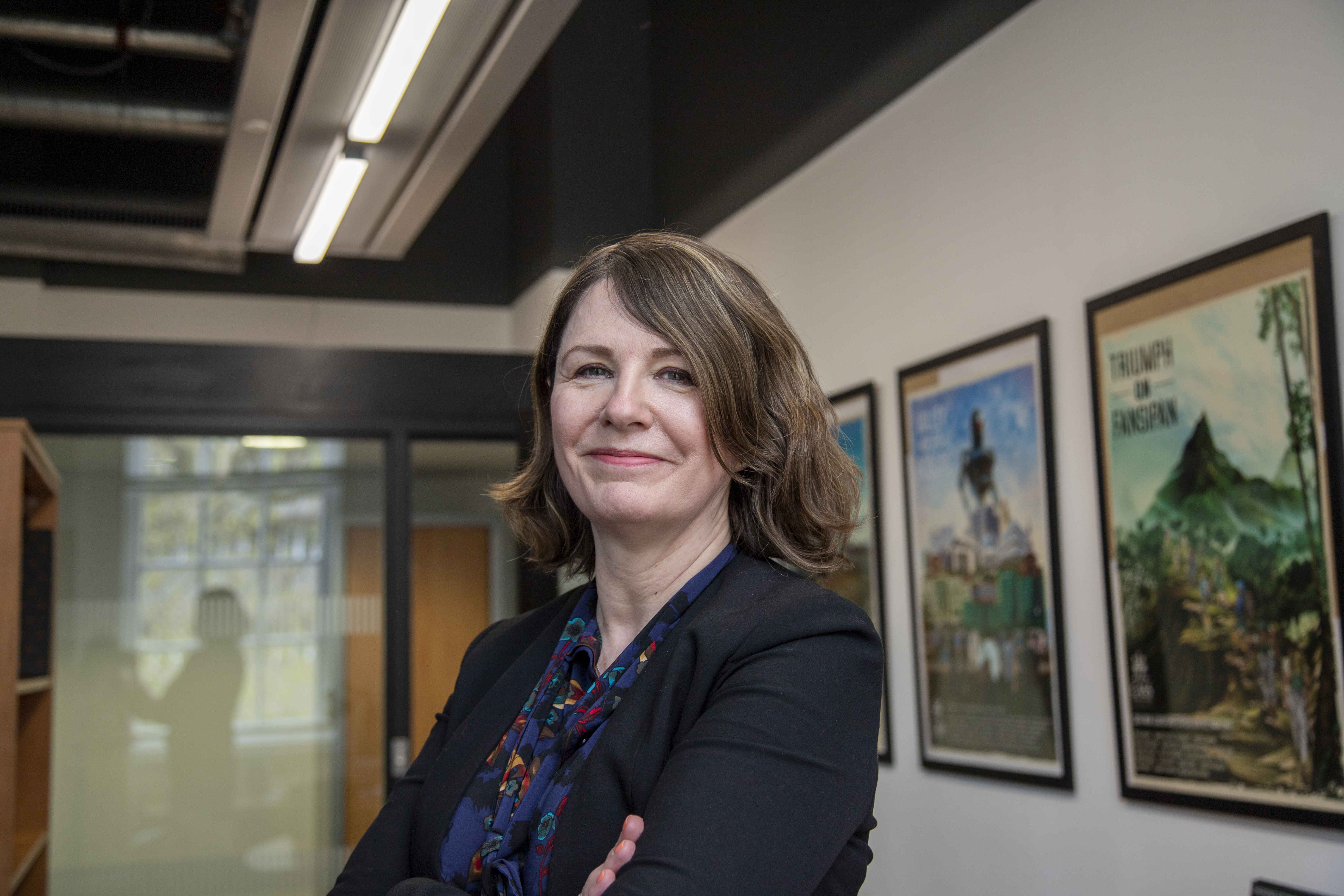
Sionade serves City St George’s, as the Vice President of Engagement, Enterprise and Employability (responsible for civic, global and corporate engagement and graduate outcomes for 27,000 students and leading Educational Enterprise, incorporating apprenticeships, CPD and Short Courses. Sionade, a City St George's, University of London graduate, joined Bayes Business School in 2010 as Course Director for the Full Time MBA Programme, leveraging her background in management consulting and as a business founder working with clients like British Airways, the BBC, and BP. Sionade advised blue-chip companies on service excellence, customer loyalty, and strategic management of customer relationships. Leading Bayes’ globally ranked MBA Programme as Associate Dean between 2012-2018, she developed and taught marketing, consulting, and leadership courses. In January 2020 she was appointed Associate Dean of People & Culture. Her research focuses on explorers, exploration, and new value creation. Sionade is a Fellow of the Royal Geographical Society and a Senior Fellow of the Higher Education Academy.
Prof Philip Thomas (University of Bristol)

Philip Thomas began his career as a control engineer, first with ICI plc and then with the UK Atomic Energy Authority, before moving into management roles within the nuclear industry, the most challenging of which was to decommission the Windscale Advanced Gas Reactor to green-field conditions in the UK's first major nuclear decommissioning exercise. He took up a chair in engineering development at City St George's, University of London in 2000 and moved to the University of Bristol in 2015, where he became professor of risk management. He is a Past Master of the Worshipful Company of Scientific Instrument Makers and is currently visiting academic professor at the University of Bristol. His company, Michaelmas Consulting Ltd., carries out consultancy for the nuclear industry.
Panel contributors
Dr Elizabeth Chloe Romanis (Durham University)

Dr Elizabeth Chloe Romanis (Chloe) is an Associate Professor in Biolaw at Durham Law School. She is the School's Director of Equality, Diversity, and Inclusion and the Co-Editor in Chief of Medical Law International. At Durham, she teaches Medical Law, Biolaw, and Law and Social Justice. Chloe does research in reproduction and the body with a special interest in both abortion and reproductive technologies. She has published widely on these subjects in leading journals such as the Modern Law Review and Medical Law Review. Her latest book on gestation and biotechnologies will be published by Oxford University Press in January 2025. With Sabrina Germain and Jonathan Herring, she is the editor of a new edited textbook that places intersectionality at the forefront of teaching in healthcare ethics and law. The book is available for pre-order.
Dr Sabrina Germain (City St George's, University of London)

Dr Sabrina Germain is a Reader in Healthcare Law and Policy and the Associate Dean for Equality Diversity and Inclusion at the City Law School. She is also the co-lead of the Health and Equity Lab at City St George’s, and a member of the Medical Law Review editorial advisory board. Her research calls attention to the importance of justice in healthcare law and policy. In recent years, she has focused and been recognised for her expertise on inequalities in healthcare relating to race and gender diversity.
Dr Anna Pacholczyk (City St George's, University of London)

Dr Anna Pacholczyk is a Senior Lecturer in Medical Ethics at City St George’s, University of London. She specializes in bioethics and neuroethics. She is a Lead for Medical Ethics and Law for the MBBS medical programme in the Medical School and leads undergraduate and postgraduate teaching in ethics and medicine as module lead and course deputy director. Her main field of research interest is ethics and new technologies in medicine (e.g. ethics of brain stimulation, human enhancement, ethical issues surrounding the use and development of human brain organoids). Anna studied Cognitive Science and, after some experience working with patients as a student, she decided to further study healthcare ethics and law at postgraduate level at the Manchester Law School. She worked at the University of Bristol, as well as KCL before moving to a lectureship position in 2018 at City St George’s, University of London.
Prof David Townend (City St George’s, University of London)

Professor David Townend is an academic lawyer, working in The City Law School at City St George’s, University of London. He specialises in health and life sciences law and regulation, in particular in the concepts of privacy, confidentiality and property, and in substantive issues relating to personal data use in clinical and research settings. He is interested in the relationship between law, ethics and manners, and the application of the early 18th century theory of politeness in modern (research) governance (see Shaftesbury, and Addison and Steele). He has participated in many externally-funded research projects, currently focusing on the secondary use of already gathered data in AI and data science projects in healthcare. He is Associate Dean for Research and Innovation in The City Law School.