
Vaccines have long been one of the most powerful tools in public health. Over the past 50 years, vaccines have saved more than 150 million lives – not by accident, but because ordinary people made the decision to protect themselves, their children and their communities from diseases like measles, diphtheria, pertussis, polio, and rotavirus.
Published
Today, newer vaccines against malaria, HPV, cholera, dengue, meningitis, RSV, Ebola, and mpox are saving even more lives, and helping people at every stage of life live longer and healthier thanks to scientific advancements.
With a theme of “For every generation, vaccines work”, World Immunisation Week 2026 promotes how vaccines have safely protected people, families, and communities for generations - and continue to safeguard our future.
The City St George's Institute for Infection & Immunity
The Institute for Infection & Immunity (I&I) is a world-leading multidisciplinary Research Institute, driving improvement in health through collaborative research, teaching & training in infectious diseases, immunology and global health. One of its major strengths is vaccinology and I&I is a leading centre for immunisation research.
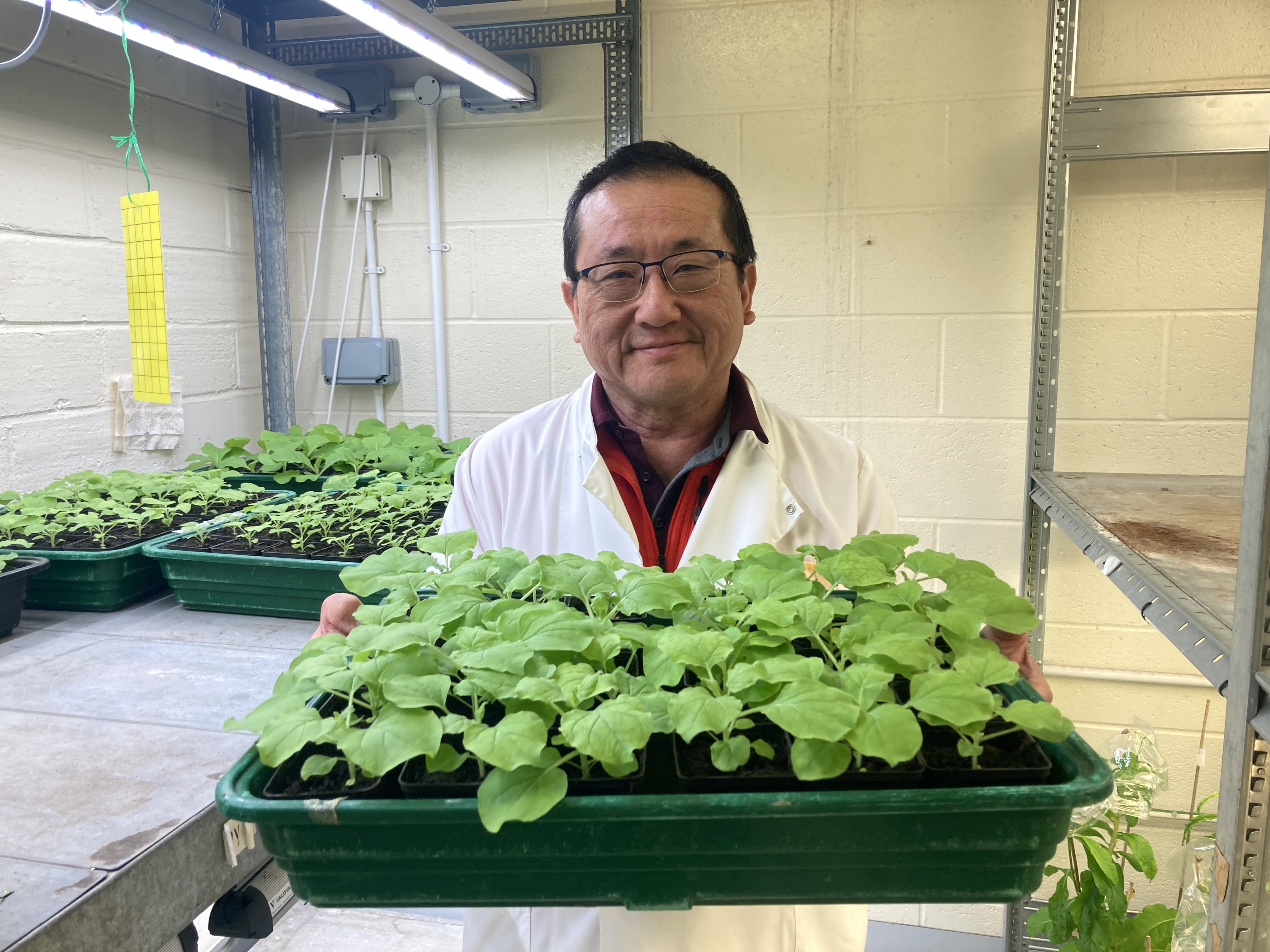
The Institute addresses all aspects of vaccines, from designing innovative new vaccines, for example against TB (Professor Rajko Reljic), to developing new approaches to manufacturing vaccines, for example using biotechnology in plants (Professor Julian Ma and Dr Audrey Teh), to testing vaccines in human clinical trials nationally and internationally (Dr Catherine Cosgrove, Dr Eva Galiza, Professor Kirsty Le Doare, Professor Paul Heath).
The St George's Vaccine Institute (SGVI)
The St George’s Vaccine Institute (SGVI) (based in I&I) conducts clinical vaccine trials across generations – from infancy through adulthood - with a strong focus on maternal immunisation. SGVI has done more maternal vaccine trials than any other UK centre, including the largest trial of COVID-19 vaccines in pregnant women – called Preg-CoV. The importance of maternal immunisation has recently been highlighted with data from UKHSA showing that the RSV vaccine cuts hospital admissions of infants in England by up to 85%.
SGVI is coordinating a European trial called PIPELINE, which focuses on optimal protection against Respiratory Syncytial Virus (RSV) infections and SGVI was the first site in Europe to begin recruiting participants. The trial is also designed to get sites pandemic ready, so that when the next pandemic comes there are trial sites around Europe ready to test vaccines for pregnant women so that they are protected as soon as possible.
The SGVI is also coordinating UK sites in 2 commercial trials of different vaccines against Group B streptococcus, an important cause of sepsis and meningitis in babies worldwide.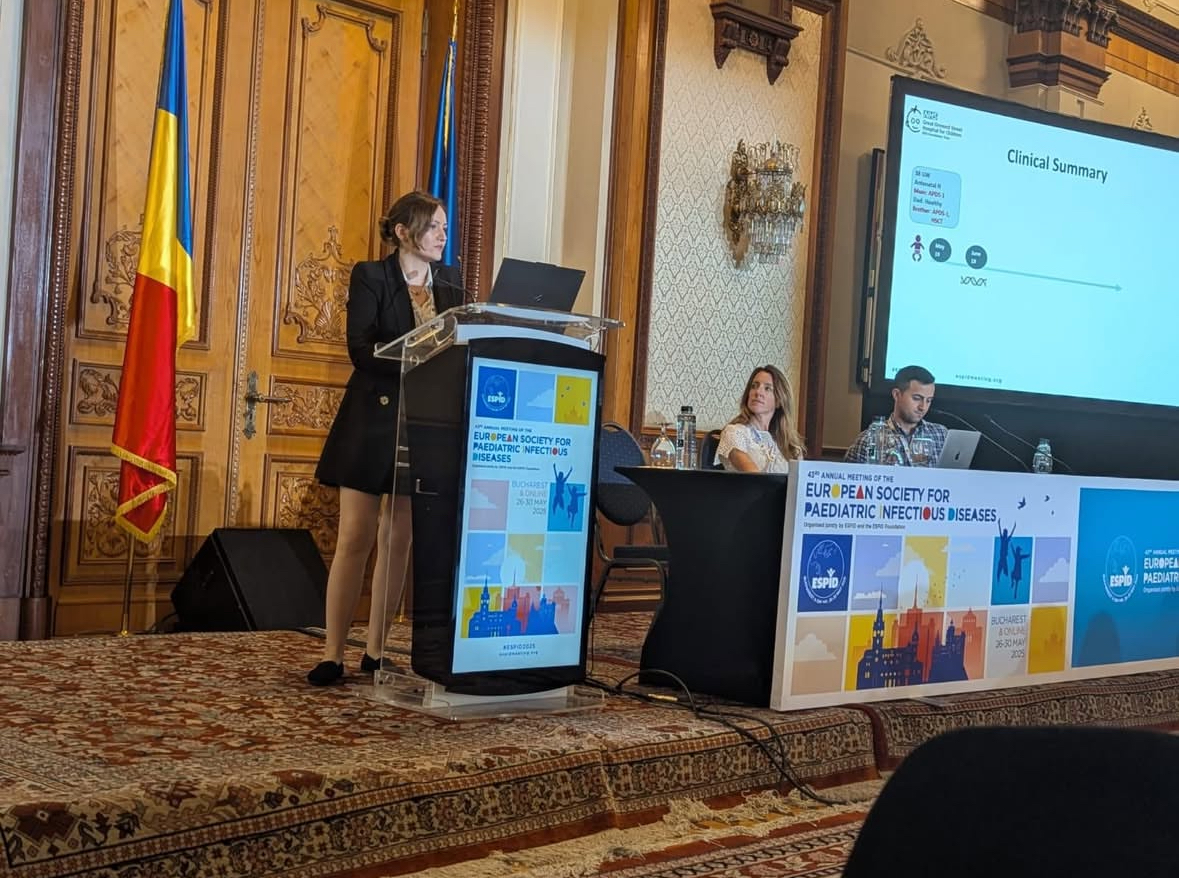
SGVI is involved in research to better understand vaccine inequity both in the UK and globally, with a focus on inclusion health groups and maternal immunisation. Researchers are pioneering the design and delivery complex interventions in healthcare to improve uptake of vaccination to drive increases in coverage, alongside expanding the evidence-base around vaccine inequity to inform policy and practice. This includes PPIE and participatory research with midwives and pregnant women themselves to ensure that interventions, teaching materials and resources are grounded in lived experience and frontline practice to raise awareness of the importance of maternal vaccination and further improve vaccine uptake.
Advancing Global Excellence in Vaccinology
The ambition of I&I is sustained global recognition for excellence, innovation and impact with our expertise in patient and public engagement and participatory research, our clinical links, clinical trials capacity, policy engagement and international research networks.
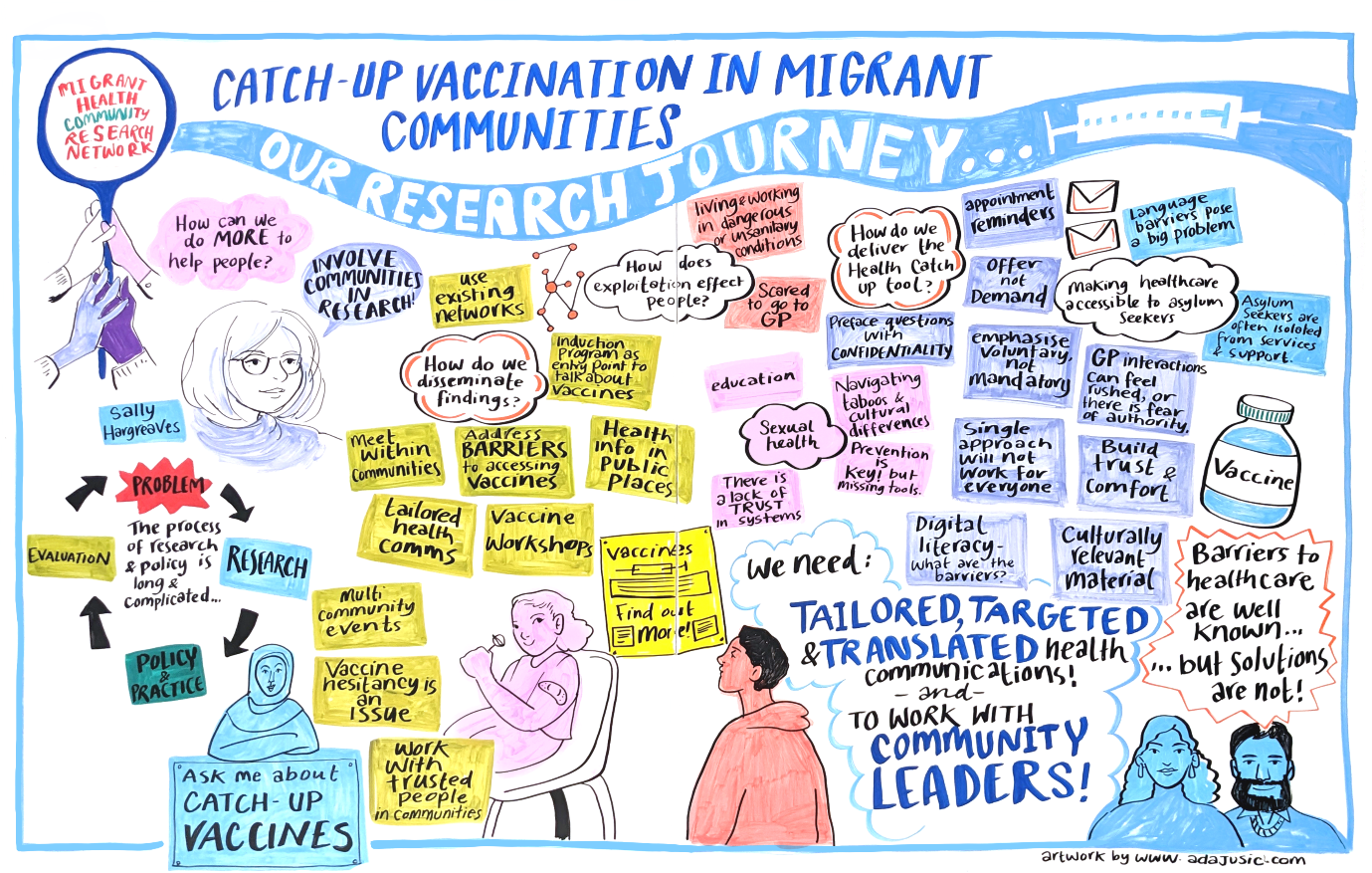
Prime examples of this include our centre of excellence in maternal and infant health based at Makerere University in Kampala, Uganda (led by Professor Le Doare) and our UK and international work in migrant health (Professor Sally Hargreaves and Dr Nuria Sanchez), involving the design and testing of new clinical decision-support tools to strengthen vaccine delivery in UK primary care. The Kampala site is the only site in East Africa to conduct maternal vaccine trials and the only site outside of South Africa to lead vaccine trials in women living with HIV. We work alongside our Ugandan colleagues to build capacity for clinical trial excellence and local and regional needs through our extensive links to departments of health and international actors in the region.