
The researchers:
Research status:Ongoing
In summary
Sudden unexplained deaths in young people were historically left without answers.
Research led by Professors Elijah Behr and Mary Sheppard at City St George’s has transformed the way such deaths are investigated.
Through specialist pathology, family screening, and national policy change, their work helps bring closure to families and prevents further deaths from inherited cardiac conditions.
What did we explore and how?
For over 20 years, City St George’s academic cardiology unit has been a centre of excellence in researching sudden cardiac death in the young.
In a major initiative, Professors Behr and Sheppard led the Sudden Death Syndrome (SDS) study, which analysed all sudden deaths over a 12-month period ending in 2000.
The team carried out specialist cardiac autopsies and toxicology tests, finding that 4% of cases remained unexplained even after thorough testing. These were classified as Sudden Arrhythmic Death Syndrome (SADS) - a now globally recognised term introduced by the study.
Their findings revealed that there are approximately 500–600 SADS cases each year in England, far more than previously understood.
The team also demonstrated the vital role of specialist cardiac pathology in enabling further investigation.
In families of those who died from SADS, inherited cardiac disease was found in around 50% of cases, showing how crucial it is for surviving relatives to receive clinical and genetic testing.
Benefits and influence of this research
The impact of this research has been significant and wide-reaching:
- Policy change: Findings helped shape the National Service Framework on Coronary Heart Disease and NHS England’s guidance for managing SADS families. International medical societies have also adopted the recommended protocols.
- Family prevention: The team created a standard protocol for investigating relatives in SADS cases. More than 40% of families referred can now receive a diagnosis and management plan to help prevent further deaths.
- Improved post-mortem practices: The proportion of SADS cases where tissue is retained for genetic testing has risen from under 10% in 2014 to over 60% today, enabling more comprehensive screening.
- Ongoing national support: Since 2014, over 1,500 SADS cases have been referred to City St George’s for expert pathology - about 40% of UK cases - demonstrating national reliance on their expertise.
- Current initiatives: Professors Behr and Sheppard are now leading a British Heart Foundation-funded pilot programme to improve integration between coroners, health services, and genomic testing providers.
What's happening
-
Event
Nov 04
Postgraduate Open Evening (Clerkenwell Campus)
Join us at our Postgraduate Open Evening to learn more about our postgraduate courses and discover all the benefits of studying at City St George's, University of London.
, 17:00 – 19:00
Location: Clerkenwell campus
Audience: Prospective students
-
News
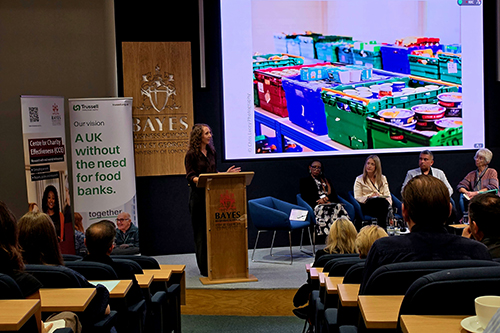
Building a food bank free future
Event to mark launch of A Taste for Change explores what it would take to end the need for food banks in the UK.
-
News

Operation Soteria driving cultural change in police investigations into rape, but progress stalls as cases reach court
The 'End-to-end' report finds police investigations more victim-centred but the justice system hasn't caught up.
