

On Saturday 24 January, St George’s Paediatric Society welcomed over 400 hybrid delegates from more than 30 universities to City St George's School of Health & Medical Sciences for their national conference 'Getting In Early, Shaping Our Future'.
Published
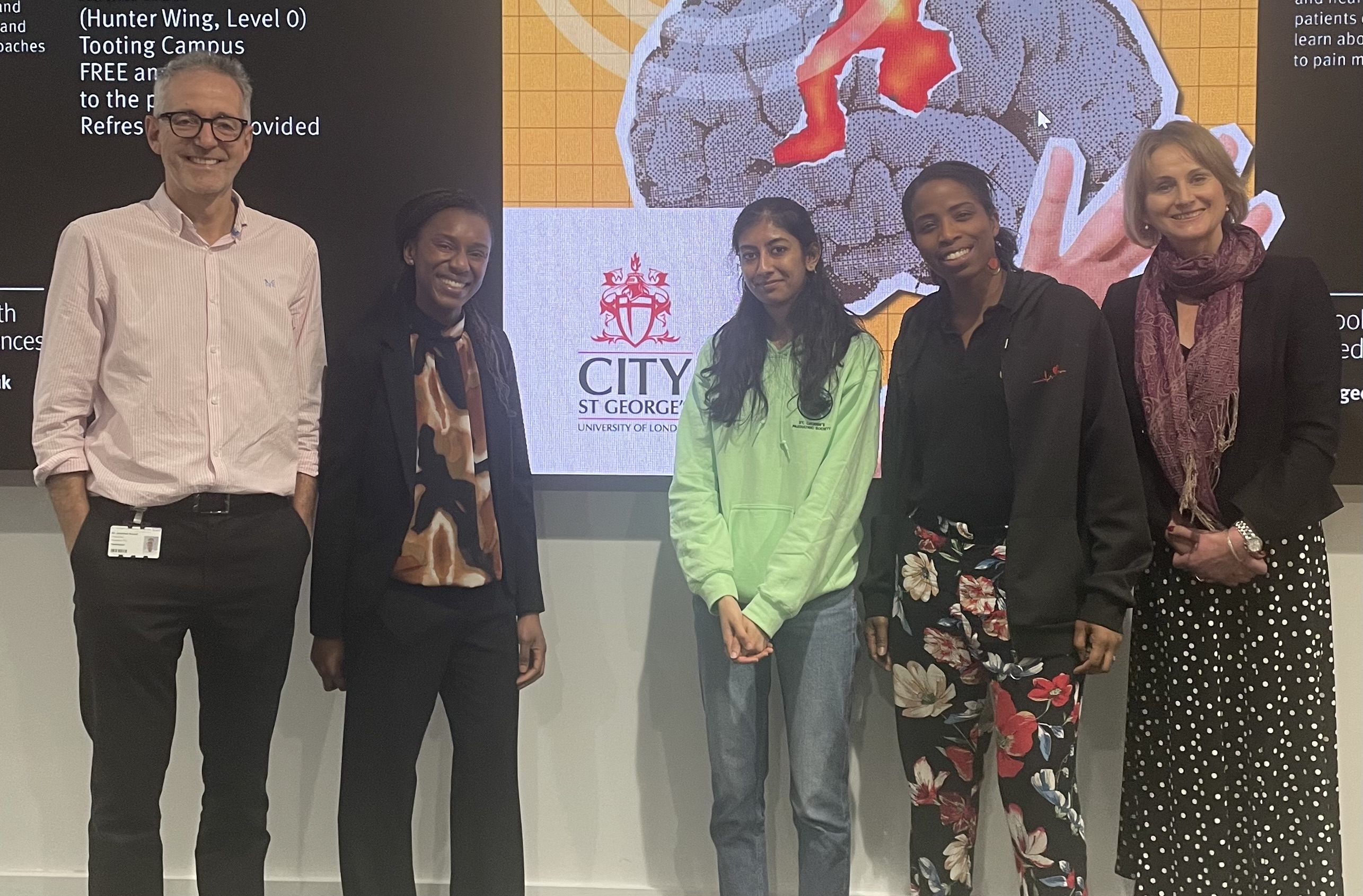
Focussing on prevention and early intervention in paediatrics and child health, 'Getting In Early, Shaping Our Future' encouraged delegates to look beyond the curriculum and see child health in its full context: to understand how different members of the multidisciplinary team support CYP (children and young people) and families, to appreciate how other sectors and systems contribute, and to reflect on how they can make every contact count within that bigger.
In addition to four talks, the conference also featured a national poster competition, lunchtime stands, eight interactive workshops, and more.
RCPCH (the Royal College of Paediatrics and Child Health) approved this activity for CPD in accordance with the current RCPCH CPD guidelines.
Getting In Early, Shaping Our Future - Prevention and Early Intervention in Paediatrics and Child Health
'The Impacts of Early Life: A Neonatal Perspective on Global Variation' by Dr Sandeep Shetty
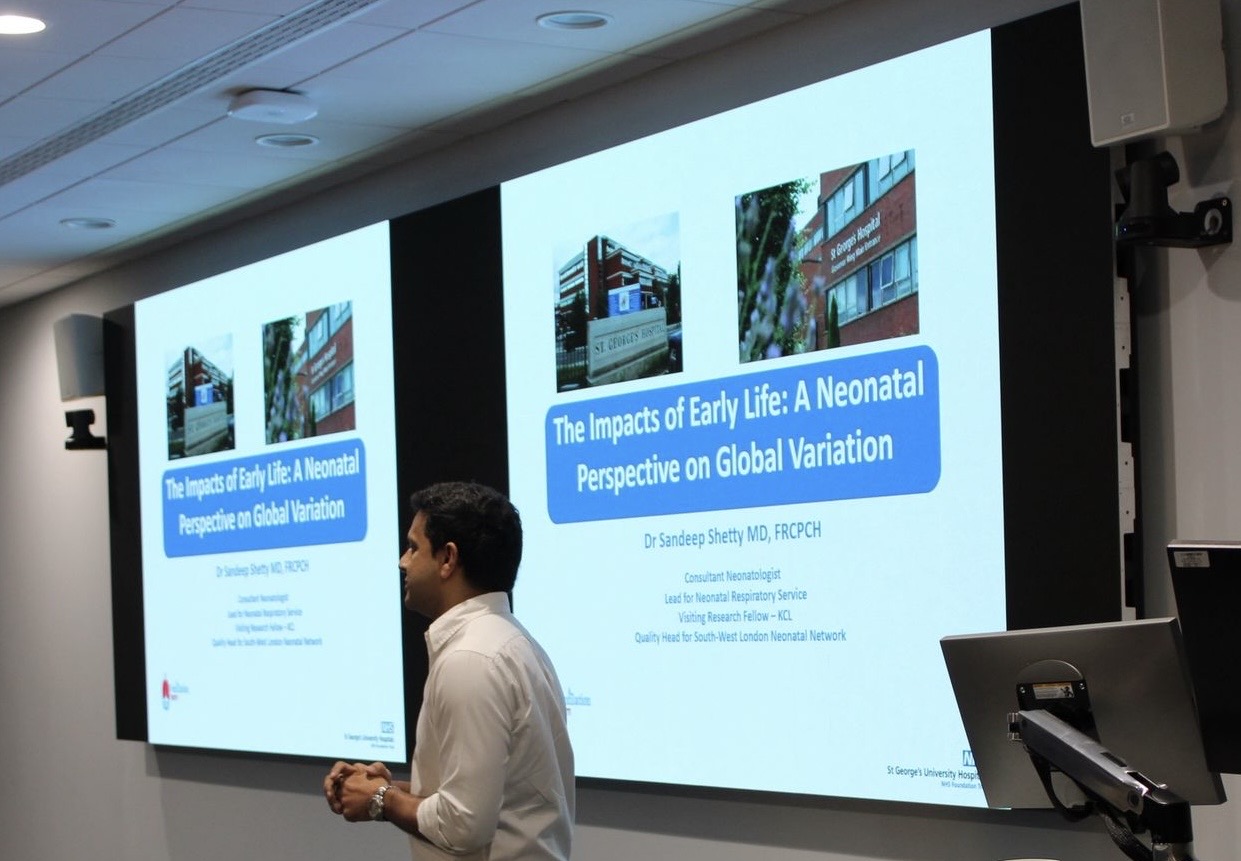 Consultant Neonatologist Dr Sandeep Shetty delivered the first talk of the day on ‘The Impacts of Early Life: A Neonatal Perspective on Global Variation’. He opened by confronting delegates with a stark reality: early life is a key determinant of lifelong health, yet birth conditions vary dramatically worldwide. Simple low-cost interventions, such as antenatal corticosteroids, basic resuscitation and essential new born care, could save millions of lives each year. After exploring the barriers to improving outcomes, Dr Shetty emphasised that effective solutions require dynamic leadership, creative and caring problem-solving, and consideration for sustainability. Above all, he stressed that meaningful change requires a focus on understanding and involving the community being served, and considering which solutions are most feasible yet impactful.
'Children, Teens and Screens: Implications for Physical and Mental Health' by Dr Ichechim White and Dr Kasia Kostyrka-Allchorne
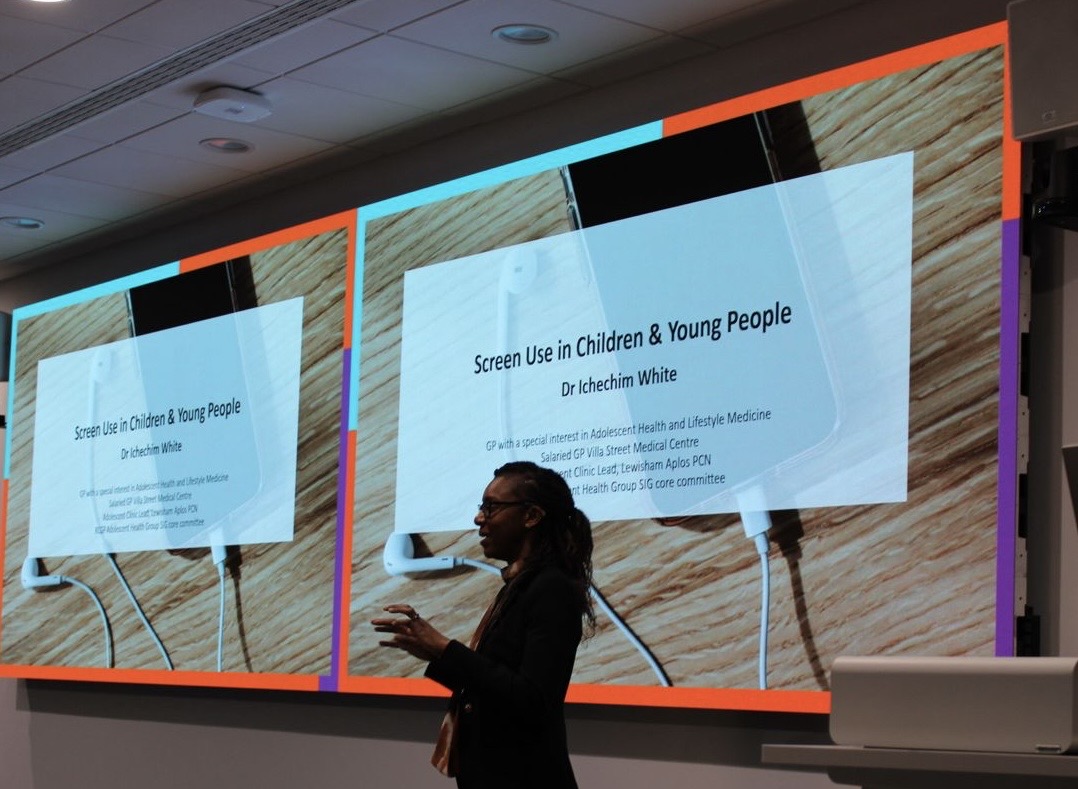
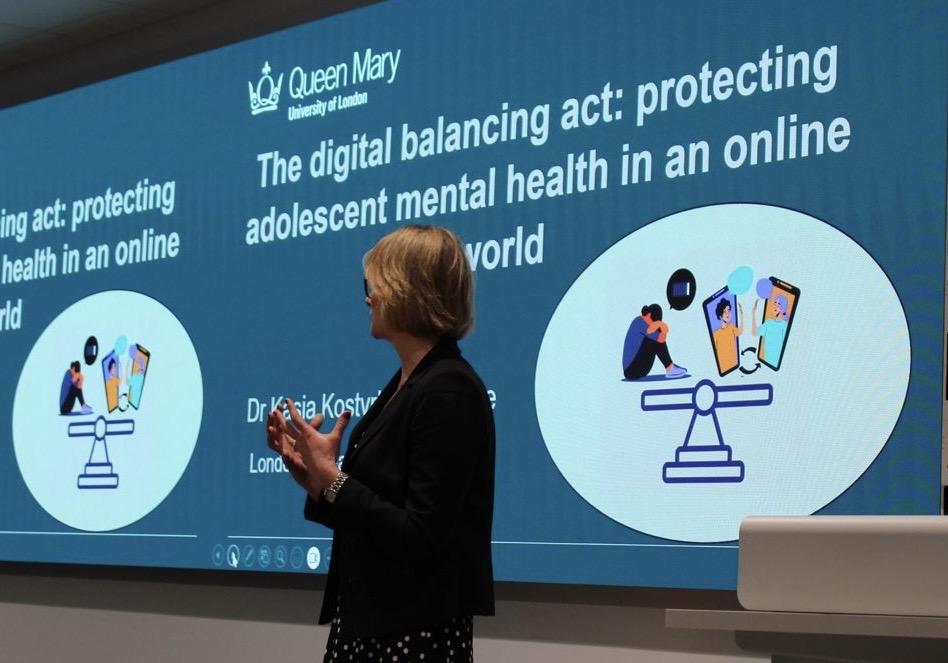
In ‘Children, Teens and Screens: Implications for Physical and Mental Health’, GP with special interest in adolescent medicine Dr Ichechim White and developmental psychologist and researcher Dr Kasia Kostyrka-Allchorne bridged frontline clinical insight with population-level research. Dr White unpacked how CYP use screens today, exploring the physical, social and psychological impacts of digital life. She highlighted the importance of context and content, and emphasised the role of HCPs as trusted adults, the importance of safeguarding, and the need to routinely ask about a young person’s online world as part of the social history. Dr Kostyrka-Allchorne discussed key findings from her research, advocating that the focus should be on building awareness and supporting digital agency. Together, they reinforced that the online world is deeply intertwined with CYP development today, and by understanding the nuances and screening for negative impacts early, HCPs can support CYP and families to preserve the benefits of digital life whilst mitigating harm.
'What Every HCP Should Know About Child Health Today' by Dr Akudo Okereafor
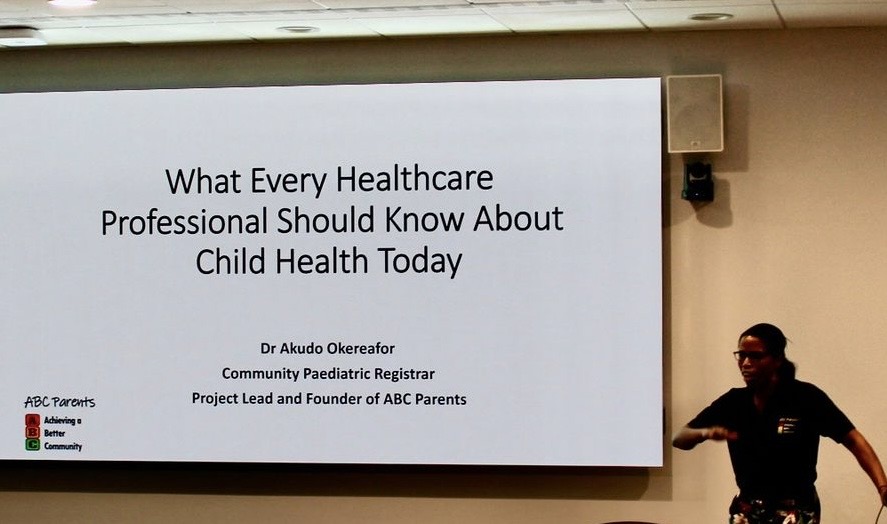 Paediatrician and founder of ABC Parents Dr Akudo Okereafor captured the central ethos of the conference in her talk ‘What Every HCP Should Know About Child Health Today’, advocating that child health is the foundation of population health, social mobility, trust and sustainability in healthcare. She reframed child poverty not as a distant societal issue but as a public health emergency and a clinical risk factor that should be screened for and addressed in everyday practice. Dr Okereafor also explored parental health-seeking behaviours and the drivers of ‘avoidable’ A&E attendances. She shared how these insights, combined with her personal experiences, led to the creation of ABC Parents, an initiative that empowers parents and CYP with knowledge, skills and support, turning fear into confidence and improving outcomes. Dr Okereafor closed by sharing her child health essentials: parents are experts and must be listened to when they say something is ‘not right’, most illness is managed at home and prevention is better than treatment, mental health starts early, safeguarding is everyone’s responsibility, inequality is a clinical risk and poverty affects prescribing, and everyone, including students, can lead change now.
'How to Make a Difference' by Professor Jonathan Round
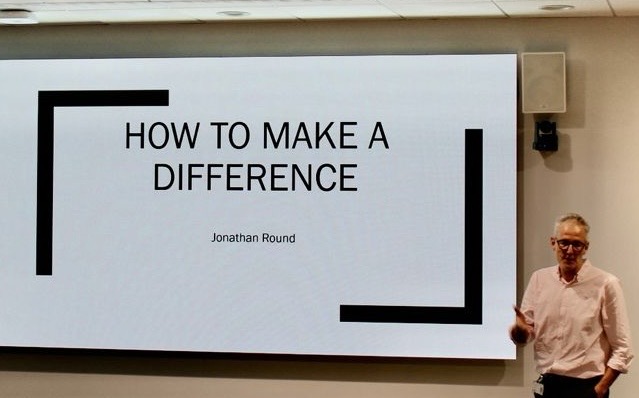 Professor Jonathan Round wrapped up the morning with his talk ‘How to Make a Difference’. He reminded delegates that making a difference starts with refusing to accept the current situation as adequate, knowing who you are, and recognising your own power. He encouraged delegates to focus their efforts on their passions and what they could realistically achieve. Following their vision for change, he emphasised the importance of collaboration, setting goals and making a plan of action, and then to keep persisting, keep the passion alive, and celebrate the wins.
National Poster Competition, Partnerships and Giving Back
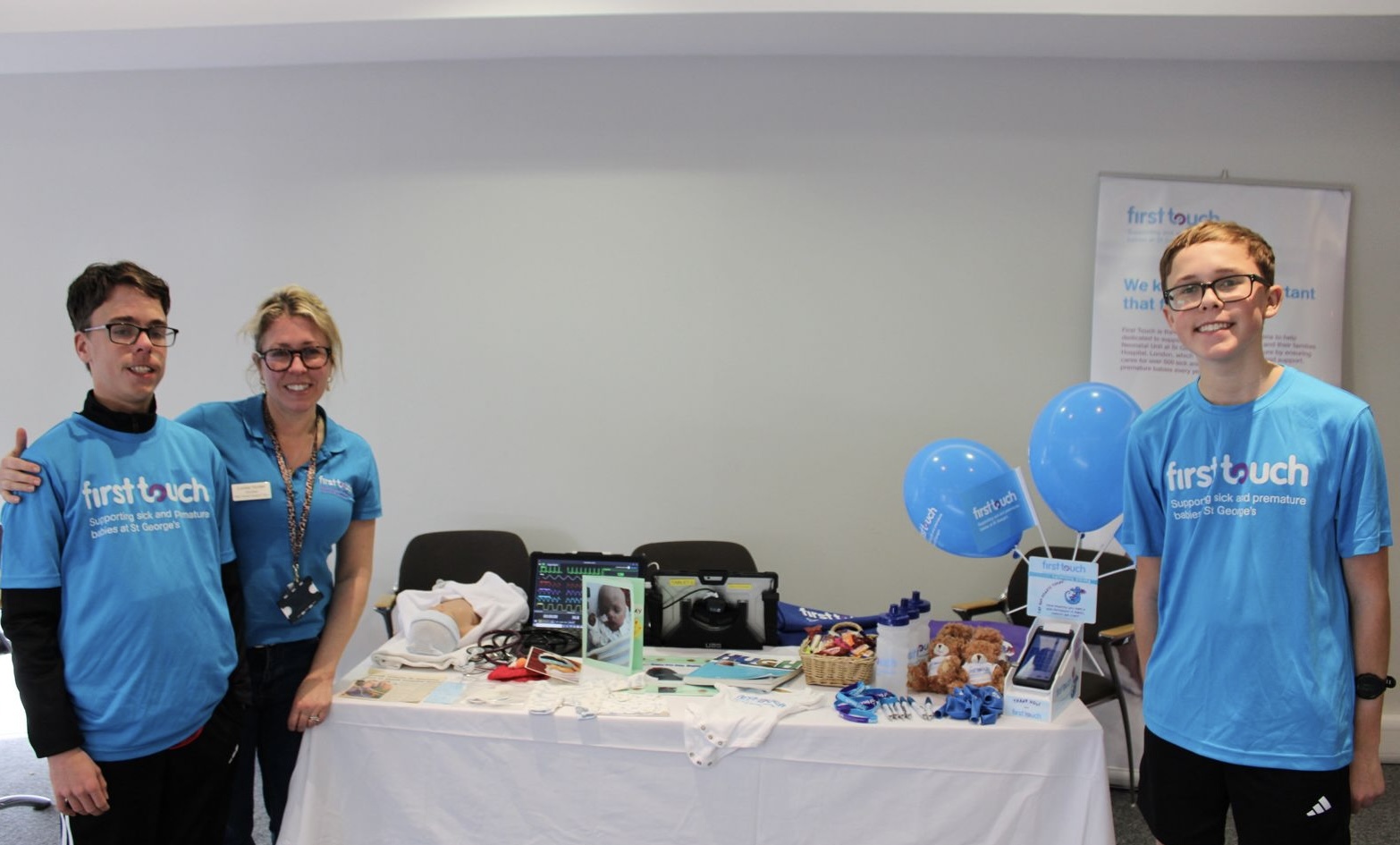 During lunchtime, 24 students and doctors presented their work in the national poster competition, with first place awarded to Khin Su Tha (UCL). Lunchtime stands - including Sense, First Touch (recipient of all conference proceeds), Draeger, Teddy Bear Hospital, and paediatric careers - offered further opportunities for connection, reflection and getting involved.
The afternoon programme offered eight workshops for the hybrid attendees.
In-Person Workshops: Neonatal Life Support, Paediatric Emergency Simulation, and Paediatric POCUS
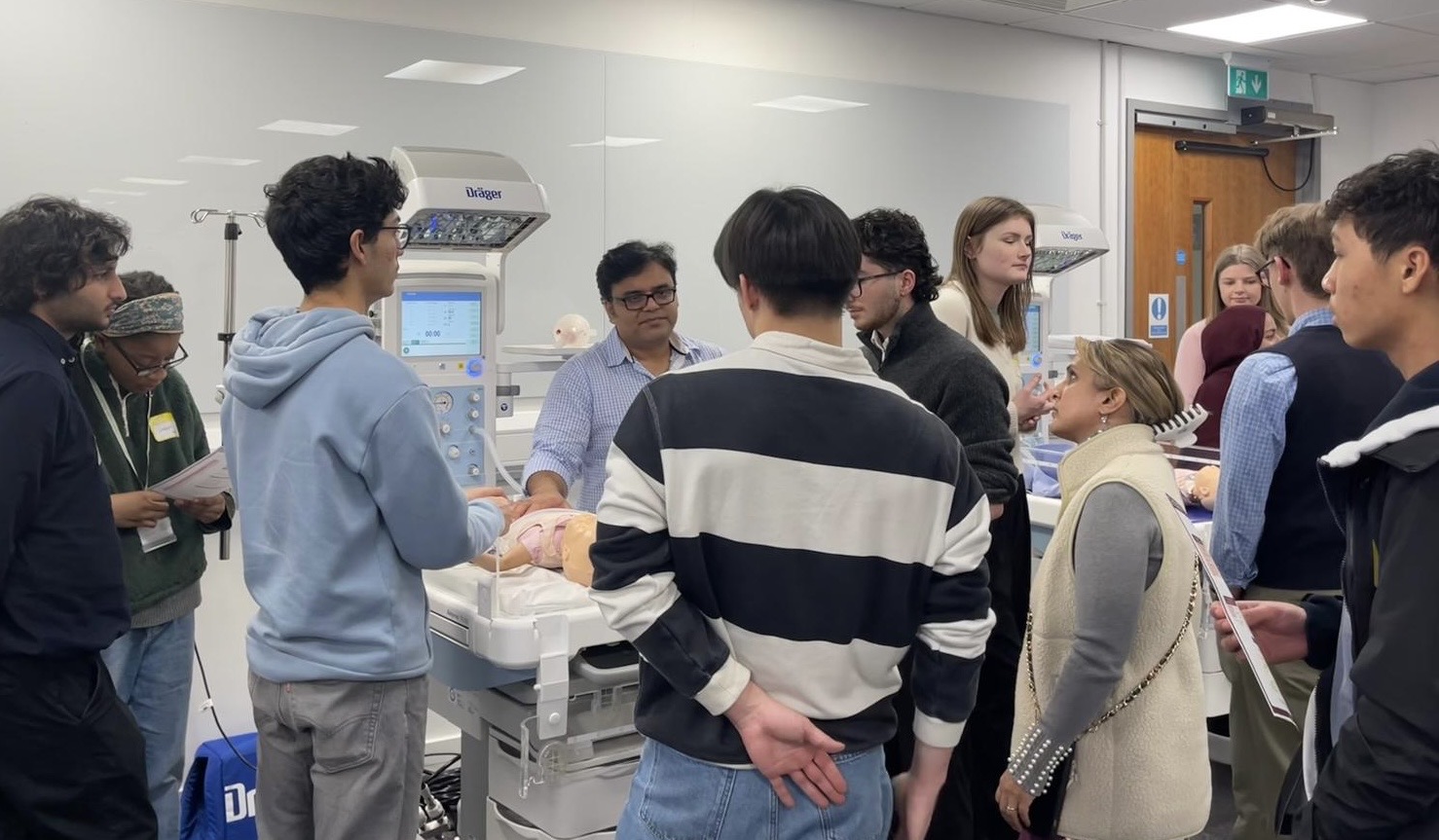 The hands-on workshops for in-person delegates centred on early intervention:
- Neonatal Life Support - paediatricians taught delegates how to resuscitate a newborn baby, and supported delegates in practising neonatal resuscitation using Resuscitaire machines on neonatal manikins
- Paediatric Emergency Simulation - delegates worked in small groups to assess and manage a paediatric emergency, reflecting on both technical skills and human factors with support from the doctors facilitating the simulation scenarios
- Paediatric POCUS - guided by consultant paediatricians, delegates learnt about paediatric point-of-care ultrasound, practised ultrasound-guided cannulation, and explored cardiac POCUS with the ECHO simulator.
'Healing Little Hearts' by Dr Sanjiv Nichani OBE
Dr Sanjiv Nichani OBE reflected on his journey and how he set up his global charity Healing Little Hearts, concluding with his top tips for future HCPs and highlighting the value of collaboration.
‘Midwifery in Prevention and Early Intervention' by Marie Louise
Midwife Marie Louise (also known as the Modern Midwife) explored ‘Midwifery in Prevention and Early Intervention’, highlighting the critical importance of the first 1001 days from conception to 24 months, with particular emphasis on the pregnancy. Marie described antenatal care as a powerful yet often under-recognised form of early childhood intervention, particularly through early identification of perinatal mental health concerns, and how midwives are uniquely positioned to advocate, signpost and intervene early to improve child health outcomes upstream. She finished by sharing her vision for closer collaboration with paediatrics in the antenatal period.
‘Psychology in the Early Years' by Jackie Haugh
Developmental psychologist Jackie Haugh explored the 2nd half of the first 1001 days in her talk ‘Psychology in the Early Years’, highlighting it as a critical period for physical, cognitive, and socioemotional development that shapes future social, economic, and health trajectories. She also explored the next window from 2-5 years of age, and discussed the role of psychotherapists and the NICE guidance on interventions for children under five.
‘Poverty, Children and Public Health: from Understanding to Action’ by Dr Helen Leveret and Dr Leyna Roy
Marie and Jackie acknowledged the impacts of social determinants of health on child outcomes in their sessions. If lifestyles and living conditions account for 80% of population health outcomes, how can we expect to improve outcomes by focussing solely on medicine? WHAM (the Wellbeing and Health Action Movement) co-founder and paediatrician Dr Helen Leveret, alongside FY1 Dr Leyna Roy, expanded on this in their session ‘Poverty, Children and Public Health: from Understanding to Action’. They urged that future HCPs screen for poverty in clinical practice, listen to children, young people, and families, and provide support by signposting. They also encouraged delegates to contribute to improving systems and services, and use knowledge of the third sector, health policy and political process to advocate for a fairer society.
'The Role of Public Health in Promoting Child Wellbeing' by Luke Evans
Closing the conference for online attendees, Luke Evans, chair of the RCN Public Health Forum, highlighted key public health challenges in child health, including vaccine uptake, childhood tooth decay, and adolescent mental health in his session ‘The Role of Public Health in Promoting Child Wellbeing’. He left delegates with clear take-home messages: listen to your patients and understand your local population, review your processes, and don’t be afraid to take action and make a difference.
Inspiring Change Beyond the Conference
In-person delegates ended the day with the poster prize ceremony and networking dinner, continuing conversations sparked throughout the programme. Feedback was exceptionally positive, with an overall rating of 4.65 out of 5 from 287 responses. As one delegate wrote in their feedback, ‘Getting In Early, Shaping Our Future’ was a reminder that “everyone can make a difference, acting from the heart to make an impact and improve outcomes for children”.
Post-conference resources ensure delegates can build on the day’s discussions, explore paediatrics and child health further, and translate insight into action.
Acknowledgements
St George's Paediatric Society is a student society associated with City St George's Students' Union, with close ties to St George's Hospital NHS Foundation Trust
Many thanks go to everyone who supported the organising team in making the conference a reality: Professor Jonathan Round; Ylenia de Felici, Dr Caspian Priest and the whole GAPS (St George’s Advanced Patient Simulation and Skills) team; Dr Guddi Singh; Dr Lynn Plowright and the St George’s Technical Services team; Dr Sandeep Shetty; Dr Kasia Kostyrka-Allchorne; Dr Ichechim White; Dr Akudo Okereafor; Dr Borbala Zsigmond; Dr Katie McKinnon; Dr Justin Richards; Dr Zubbar Choudri; Dr Prashanthi Katta; Dr Will Stephenson; Dr Deekshu Umasankar; Dr Alejandra Martín Segura; Dr Sharadkumar Patel; Dr Timothy Vaz, Dr Mohammed Sayeemuddin, Mikaeel Jaffer, Yael Ben-David, Dr Kavethan Thayarathan, Dr Jeyaram Balasingham; Dr Michael John; Dr Shivani Nahar; Dr Sahil Mukherjee; Dr Lia Myttaraki; Dr Sanjiv Nichani OBE; Jackie Haugh; Marie Louise; Dr Helen Leveret; Dr Leyna Roy; Luke Evans; Jonny Allen and Draeger; Jonathan Silver, Yussef Sanyang and the Medical Physics and Clinical Engineering team; the City St George’s Student Union; the Medical Defence Union; Pastest; Sugar & Lemon; MedConf Global; and many others who contributed behind the scenes.
All the proceeds from the conference are going to First Touch, the official charity of St George’s University Hospitals NHS Foundations Trust Neonatal Unit, supporting sick and premature babies.
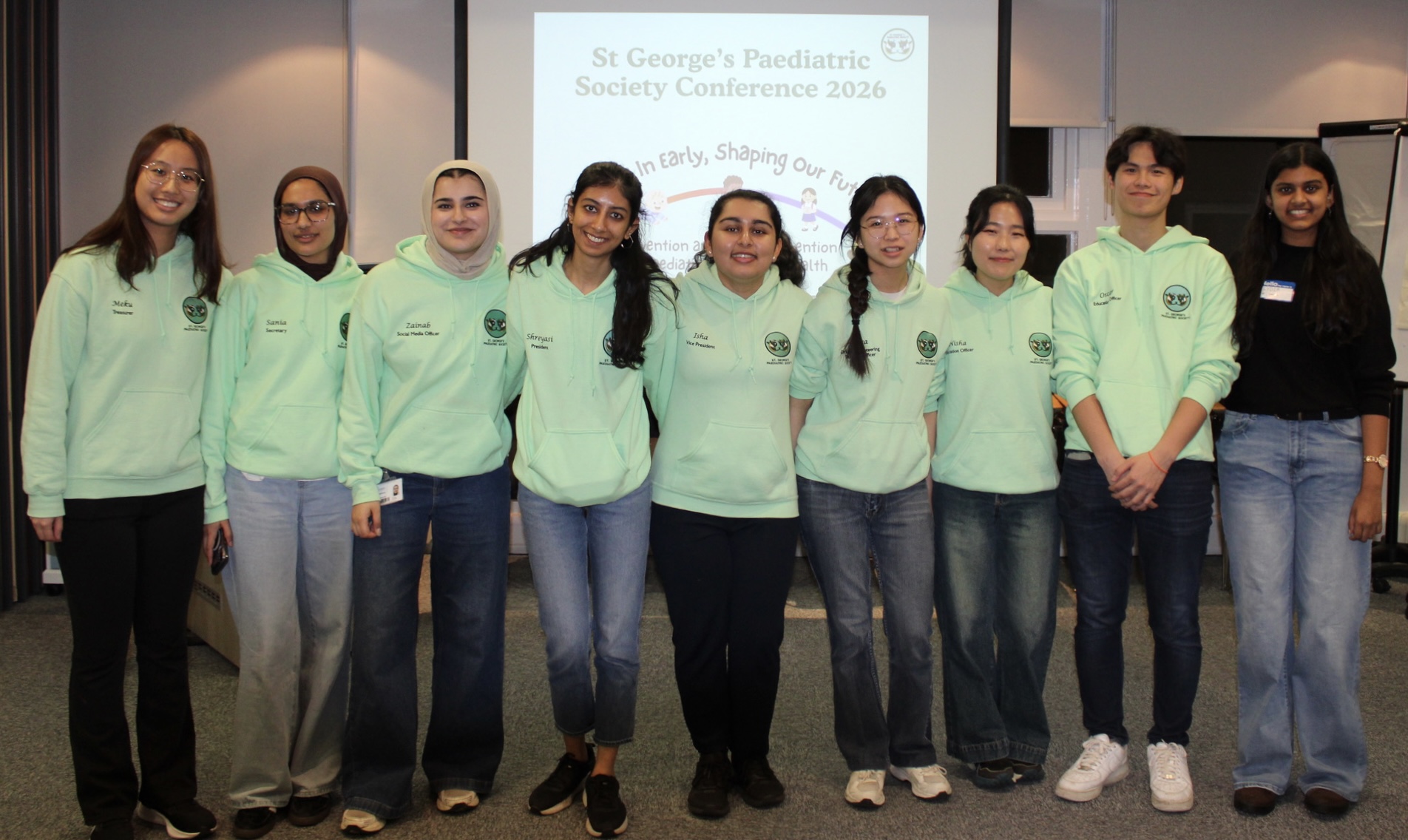
The conference organising team
Many thanks go to the conference organising team: Shreyasi Kesarwani (President), Abi Paterson (Online Workshops Lead), Oscar Fan (Education Officer), Zainab Mehmood (Social Media Officer), Isha Atreja (Poster Competition Lead, Vice President), Nisha Gurung (Education Officer), Meku Mak (Treasurer), Sania Safdar (Secretary), Clara Oo (Dragon Volunteering Scheme Lead), Tanya Narendra (Fundraising Officer), Thusani Nanthakumaran (Welfare Officer) and Lydia Kanagaraj (Paediatric Society Rep).
To find out more about St George’s Paediatric Society, visit their Instagram page @sgulpaedsoc
*St George's Paediatric Society is a student society associated with City St George's Students' Union, with close ties to St George's Hospital NHS Foundation Trust