

Dr Roddy Walsh awarded Springboard grant to investigate the genetic causes of Brugada syndrome
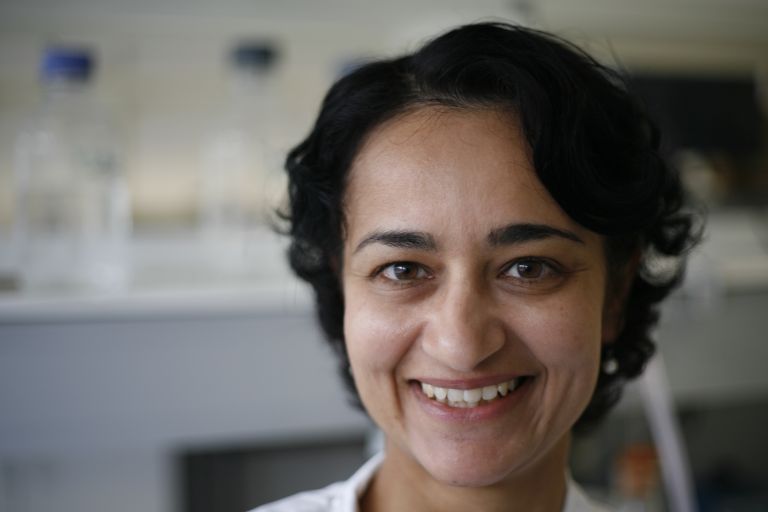
Dr Roddy Walsh, a lecturer from the Cardiovascular & Genomics Research Institute at City St George’s, University of London, has been awarded a prestigious Springboard grant by the Academy of Medical Sciences to investigate Brugada syndrome, a rare inherited heart condition linked to sudden cardiac death.
Dr Walsh is one of 55 early career researchers across the UK to receive a share of £6.7 million in funding through the Academy’s flagship programme, which supports discovery-driven health research and helps scientists establish themselves as independent research leaders.
Brugada syndrome can cause sudden death in young individuals, often as the first presenting symptom in a family. Efforts to understand the genetic basis of disease have had limited success due to the complex nature of the condition, which does not conform to the typical patterns of rare genetic diseases. Only one gene is currently considered clinically actionable, which limits the effectiveness of genetic testing and the identification of at-risk individuals.
Dr Walsh’s project aims to address this gap by identifying and validating new disease-associated genes using a combination of advanced computational and experimental approaches.
The research will draw on large-scale genomics data from international patient cohorts to identify candidate genes linked to the condition. These findings will then be tested using novel computational methods applied to extensive cardiac phenotype data from resources such as the UK Biobank. To further validate the results, prioritised genes will be investigated using zebrafish models, enabling researchers to explore their association with arrhythmia phenotypes.
The project will benefit from City St George’s established expertise in cardiovascular research, particularly in the study of sudden cardiac death. The University’s Tooting campus is also home to specialist facilities, including a dedicated Zebrafish Unit, providing the infrastructure needed to carry out this type of research.

Speaking about the award, Dr Walsh said:
“Identifying the genetic causes of Brugada syndrome has proved to be very challenging over the last 25 years, as it is a condition that breaks a lot of the genetic rules of rare or Mendelian diseases. By combining large-scale genomics datasets with advanced functional techniques, this project aims to discover and validate new disease genes, as well as characterising the complex genetic mechanisms by which they cause the disease. We hope that this will enhance the effectiveness of genetic testing for Brugada syndrome and better target clinical intervention for patients and their families."
The Springboard programme is designed to support early career researchers at a critical stage in their careers, enabling them to pursue innovative ideas that could lead to future breakthroughs in healthcare.
Since its launch in 2015, the programme has supported 471 researchers across 68 UK institutions, with total investment exceeding £50.5 million. By focusing on curiosity-driven, early-stage research, it aims to build the foundations for new treatments, improve patient outcomes and strengthen the UK’s research base.
Professor James Naismith FRS FRSE FMedSci, Vice President (Non-Clinical) at the Academy of Medical Sciences, said: “The transition to research leadership is one of the most challenging stages in a research career, yet it is also when creativity is often at its strongest. Springboard invests in people at the moment when bold ideas begin to take shape, providing the freedom, confidence and backing researchers need to strike out on their own and ask big questions. The projects announced today show the impact this approach can have – demonstrating how early support can translate into meaningful benefits for patients, communities and the wider health system.”
UK Science Minister Lord Vallance FMedSci said: "To tackle cruel diseases like Alzheimer’s, Parkinson’s and chronic pain, and ultimately save lives, we must help researchers to take their ambitious discovery-stage work to the next level. This support is backing researchers at a stage where attracting commercial investment can be a challenge and builds on the Government’s record investment in research – unlocking more discoveries that benefit people across the UK and beyond."
Other stories you might like
-
City St George’s partners with Paradigm Biopharmaceuticals to study osteoarthritis pain drug candidate
Researchers at SHMS are partnering with Paradigm Biopharmaceuticals, an Australian late-stage clinical development company, to test a drug that could provide a new osteoarthritis treatment.
-

Largest study shows cardiac screening in young people identifies hidden heart risk and saves lives
New research led by City St George’s, University of London has found that routine heart screening in young people can identify potentially life threatening cardiac conditions and save lives.
-

“Kick it while it’s down” approach to cancer treatment could improve cure rates, suggests new study
Dr Robert Noble, Senior Lecturer, Department of Mathematics, led the study based on modelling from evolutionary theory.


