
In a wide-ranging interview with City St George's News, Dr Guimerà Busquets shares her insights into how the fields of air transport engineering, management and safety have changed over the years .
By Dr Shamim Quadir (Senior Communications Officer), Published (Updated )
On Tuesday 4 November, 2025, the School of Science & Technology at City St George's, University of London will honour three of its most outstanding alumni at its fourth, annual STEM Alumni Awards ceremony.
This year Dr Judit Guimerà Busquets (BEng Hons Air Transport Engineering 2013, PhD Air Transport Management and Safety 2023) will receive the Excellence in STEM Achievement Alumni Award.
In a wide-ranging interview with City St George's News, Dr Guimerà Busquets shares her insights into how the fields of air transport engineering, management and safety have changed over the years and the importance of quality STEM teaching.
Alongside technical delivery, Judit champions best practice and ways of working, promoting agile delivery methodologies and data science lifecycle. She has represented Datasparq at the World Aviation Forum, presented at the Royal Aeronautical Society’s AI Summit and the Operational Research Conference.
Judit built her career across three organisations, progressing rapidly to her current role as Head of Data Science at Datasparq, an AI and data specialist company.
Before Datasparq, Judit worked at Royal Mail as a Data Scientist and Virgin Atlantic as an analyst.
What were your motivations for studying at City St George's?
JGB:
What were the highlights and challenges of your BEng in Air Transport Engineering, and doctoral study in Air Traffic Forecasting at City St George’s?
JGB:
How did your studies at City St George’s assist you to transition into your various roles including your present one as Head of Data Science at Datasparq?
JGB:
What have been your career highlights in the field of Data Science?
JGB:
Why would you recommend City St George’s as a place to study STEM and specifically Engineering and Data Science?
JGB:
What are the main issues facing the UK in terms of STEM from your perspective?
PR:
Read interviews with this year's other awardees
Dr Yanong Ning receives the Distinguished STEM Alumni Award 2025
Peter Rutherford MBE runner up for the Excellence in STEM Achievement Alumni Award 2025
Attend the awards and panel discussion
Register your attendance to the STEM Alumni Awards 2025, Tuesday 4 November 2025, at City St George's, University of London's Clerkenwell campus.
Find out more about the awards
Related schools, departments and centres
Other stories you might like
-

Peter Rutherford MBE runner up for the Excellence in STEM Achievement Alumni Award 2025
In a wide-ranging interview with City St George's News, Peter shares his insights into how the field of information security and risk management has matured over the years.
-
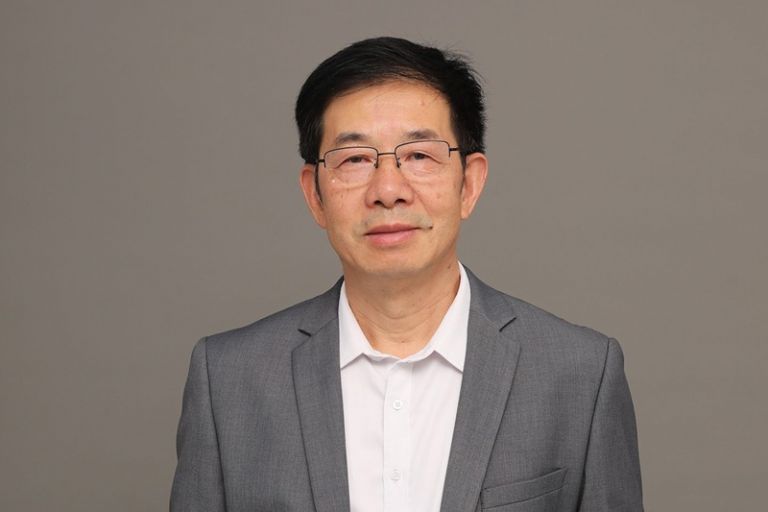
Dr Yanong Ning receives the Distinguished STEM Alumni Award 2025
In a wide-ranging interview with City St George's News, Dr Ning shares his insights into how the field of Measurement and Instrumentation has changed over his storied career.

