

Join us for this year's Craft Lecture for a thought-provoking panel discussion examining the intersection of artificial intelligence (AI) and social equity. This conversation will delve into how digital algorithms can reflect and reinforce existing biases and structural inequalities.
As AI and digital data become increasingly pervasive across all areas of society, their impacts are not experienced equally. Marginalized communities, in particular, may be misrepresented, neglected, or even discriminated against by these technologies.
Bringing together three experts from diverse disciplines, this panel offers an interdisciplinary perspective on the role of AI in shaping fairness and equity in a world where algorithms are ever-present in our daily lives.
Whether you're a student, researcher, policymaker, technologist, or simply curious about the ethical implications of AI, this discussion offers valuable insights into building more equitable digital futures. All are welcome to attend.
Speakers
Arshin Adib-Moghaddam is Professor in Global Thought and Comparative Philosophies at SOAS University of London. A double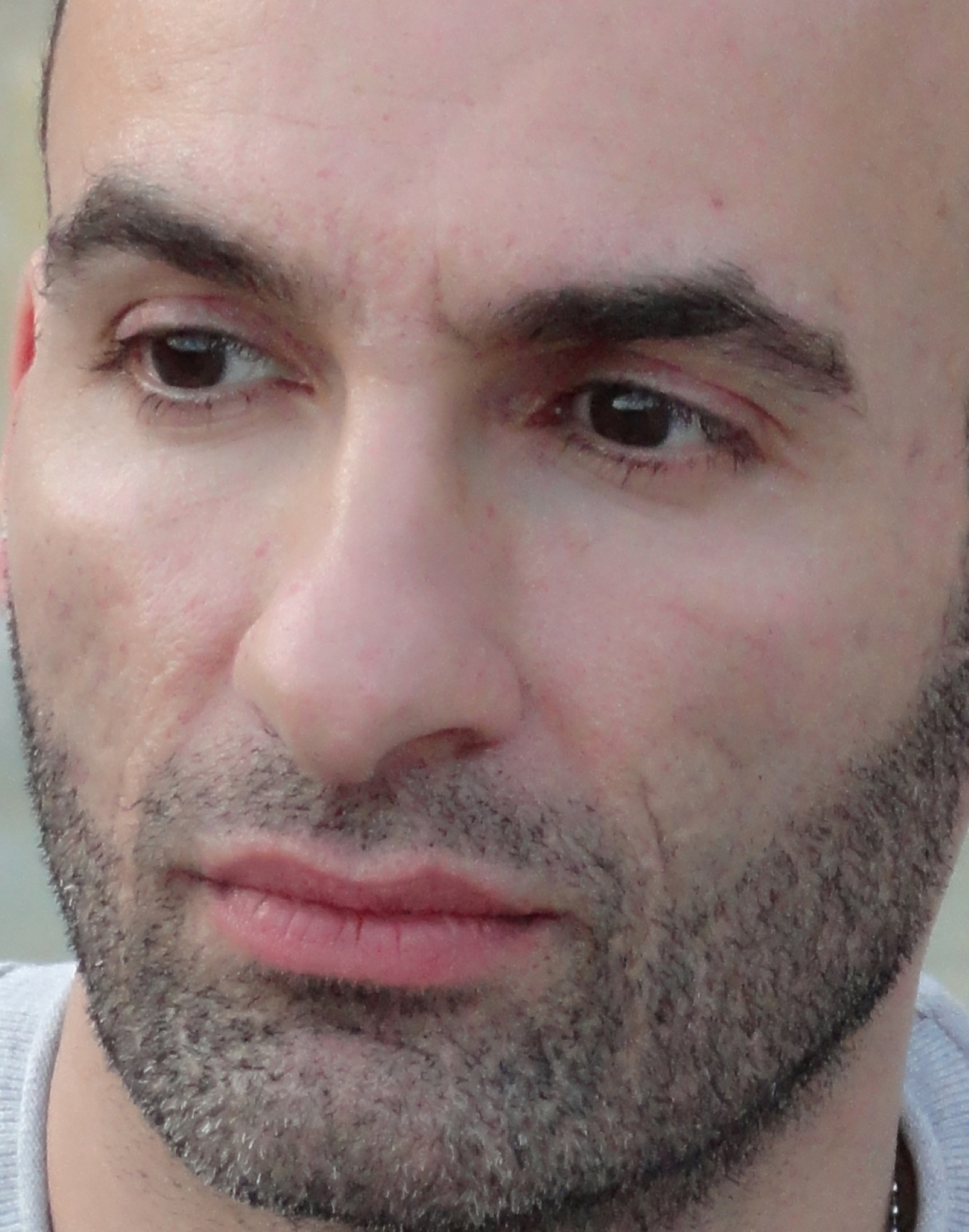 alumnus of Cambridge University and a Senior Member of Hughes Hall, Prof. Adib-Moghaddam is the author of Is Artificial Intelligence Racist? (Bloomsbury, 2023) and The myth of Good AI (Manchester University Press, 2025). At SOAS, he became the inaugural Co-Director of the Centre for AI Futures. In addition, he is Editor-in-Chief of AI Futures, a new book series published by Manchester University Press.
Kanwal Bhatia is the founder of Aival, aiming to accelerate the adoption of safe and effective AI through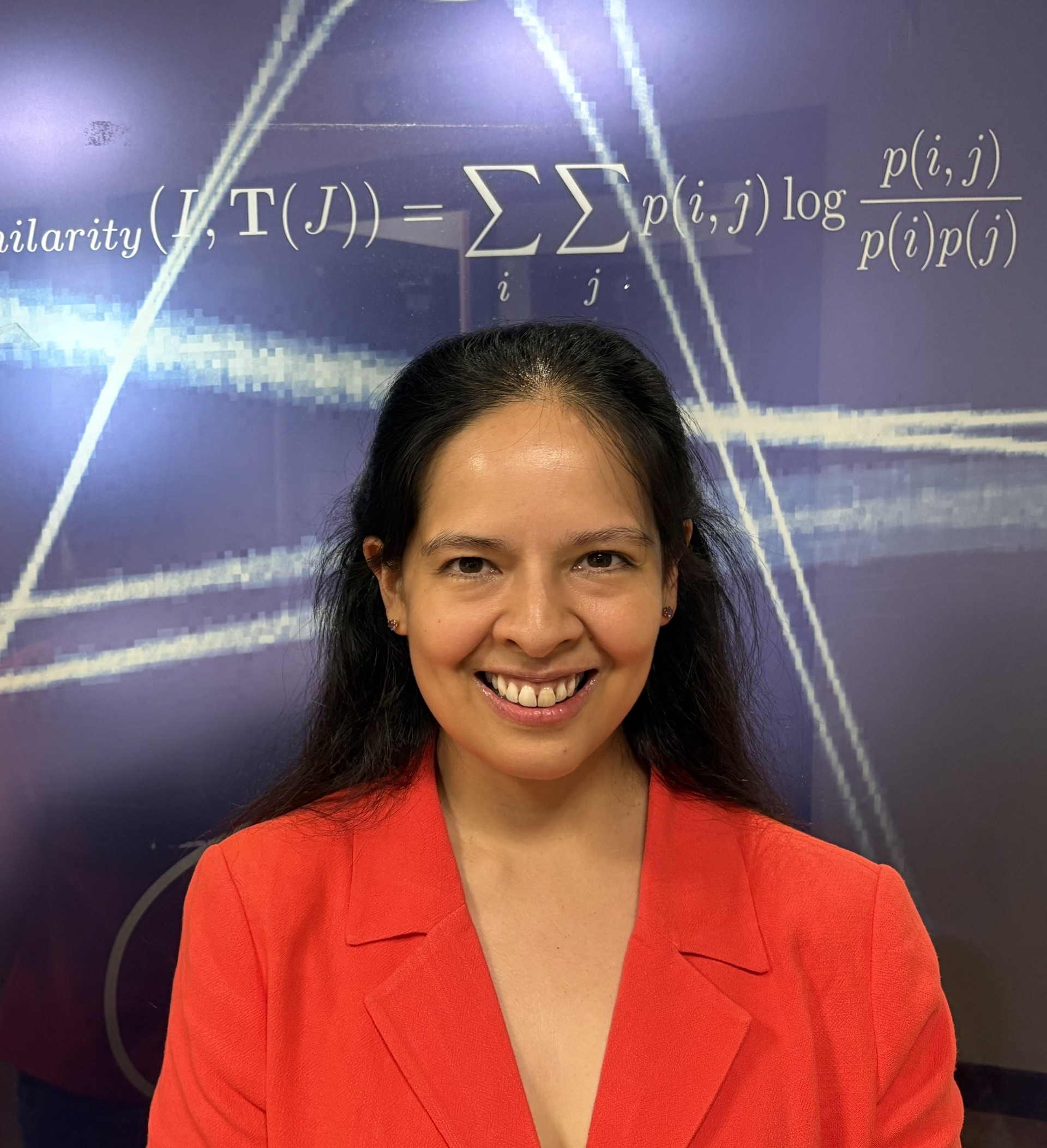 evaluation and monitoring of AI products at local clinical sites. She has been working in medical imaging AI since finishing her PhD in 2007: first in developing novel algorithms then in commercialising these through industry and startups. She founded Aival with the aim of accelerating adoption of safe and robust AI, using her understanding the technical challenges of AI and how to test for these. Aival software can be used by clinical users to build trust in commercial products through transparent reporting of algorithm performance and fairness. In this way, healthcare providers can rapidly evaluate AI products in an independent manner, and choose the ones which offer greatest clinical benefit for their patients.
Andreas Tsanakas is Professor in Risk Management at Bayes Business School and Editor-in-Chief of the Annals of Actuarial Science. His more recent research focus has been on fairness and discrimination in insurance pricing, and on the sensitivity analysis of simulation models used in insurance risk modelling. He has received numerous awards from industry bodies for his research contributions. Andreas is co-organiser of the Insurance Data Science Conference and the One World Actuarial Research Seminar.
About the Craft Lecture Series
Our Craft lecture series is a space to reflect on topics of inequality and social justice. Through an annual lecture Bayes invites the audience to explore the context of different historical power dynamics and consider how we, as a society, deal with the consequences of colonialism and engage in initiatives towards a sustainable future.
This lecture series celebrates the achievements of Ellen and William Craft, as representatives of those who globally fought against the slave trade. The Crafts were freedom fighters – refugees from slavery who became campaigners for its abolition. A black married couple, Ellen and William were both born into slavery in Georgia in the 1820s but managed to flee to England in 1850. In 1860 they produced an account of their daring escape entitled “Running a Thousand Miles for Freedom”. The Crafts returned to Boston in 1869, after the US Civil War had ended, and set up a school for the newly freed.
Attendance at City St George's events is subject to our terms and conditions.
-

Finsbury Square Building
33 Finsbury Square
London EC2A 1AG
United Kingdom